
Understanding Holistic Healing Modalities
- Danielle Strano
- Oct 20, 2025
- 5 min read

When life feels overwhelming, and the usual ways of coping don’t quite do the trick, it’s natural to look for something deeper, something that nurtures not just the body but the mind and spirit too. That’s where natural healing approaches come in. They invite us to explore wellness in a way that honors every part of who we are. I want to share with you some insights and gentle guidance on this beautiful path of healing.
Embracing Natural Healing Approaches for Whole-Person Wellness
Natural healing approaches focus on restoring balance and harmony within ourselves. They encourage us to listen closely to our bodies and emotions, to honor our unique rhythms, and to engage in practices that support healing from the inside out. These approaches are not about quick fixes but about nurturing long-term well-being.
You might wonder, what makes these approaches different from conventional medicine? The key lies in their holistic nature. Instead of treating symptoms alone, natural healing looks at the whole person - body, mind, and spirit. It recognizes that emotional wounds can manifest physically and that physical ailments can affect our mental state.
Some common natural healing approaches include:
Herbal medicine: Using plants and natural extracts to support health.
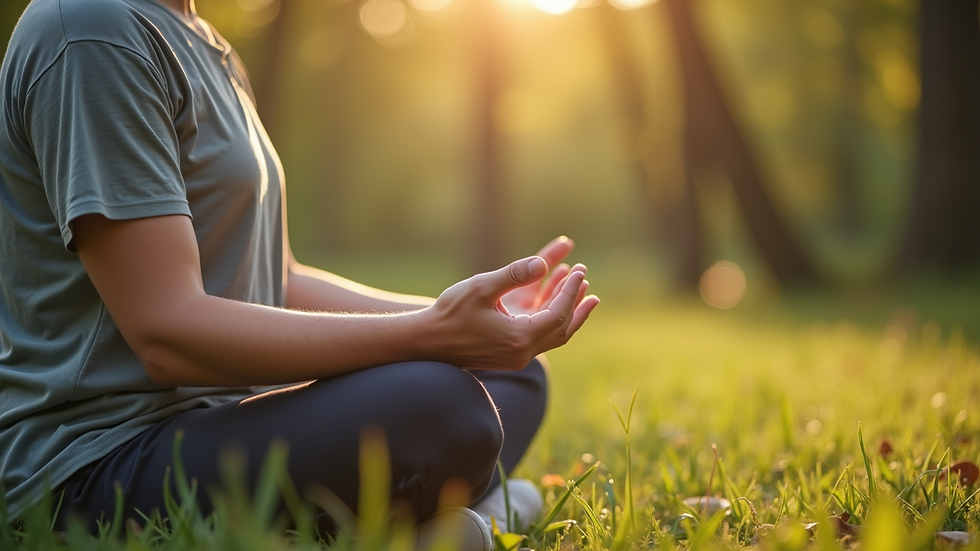
Mindfulness and meditation: Cultivating awareness and calm.
Energy healing: Techniques like Reiki that work with the body’s energy fields.
Nutrition and lifestyle changes: Eating whole foods and adopting habits that promote vitality.
Movement therapies: Yoga, tai chi, and other gentle exercises that connect body and mind.
These methods can be especially helpful for those in early recovery or anyone seeking to heal trauma and regain resilience. They offer tools to reconnect with yourself and find peace amid life’s challenges.

How Natural Healing Approaches Support Emotional and Physical Health
One of the most beautiful things about natural healing is how it honors the connection between our emotions and physical health. When you feel stressed or anxious, your body reacts - muscles tense, digestion slows, sleep becomes restless. Over time, these responses can lead to chronic health issues.
Natural healing approaches help you break this cycle by addressing both the emotional and physical layers of your experience. For example, practicing mindfulness meditation can calm your nervous system, reducing stress hormones and promoting relaxation. Herbal remedies like chamomile or lavender can soothe anxiety and support restful sleep.
In addition, movement therapies such as yoga not only strengthen your body but also encourage emotional release and mental clarity. These practices invite you to slow down, breathe deeply, and become more attuned to your inner world.
If you’re part of a salon team or a community group, incorporating these approaches can create a supportive environment where everyone feels cared for and empowered. Sharing simple mindfulness exercises or herbal teas during breaks can foster connection and well-being.

What are the holistic healing techniques?
When we talk about holistic healing techniques, we’re referring to a wide range of practices that work together to promote overall wellness. These techniques recognize that healing is not just about fixing what’s broken but about nurturing growth and transformation.
Here are some of the most accessible and effective holistic healing techniques you might explore:
Energy Healing
This includes Reiki, acupuncture, and other methods that focus on balancing the body’s energy flow. Many people find these techniques deeply relaxing and rejuvenating.
Mind-Body Practices
Yoga, tai chi, and qigong combine movement, breath, and meditation to enhance physical health and emotional resilience.
Herbal and Nutritional Therapy
Using natural foods and supplements to support the body’s healing processes. This might involve working with a herbalist or nutritionist to tailor a plan to your needs.
Sound Therapy
Using music, singing bowls, or chanting to promote relaxation and emotional release.
Creative Arts Therapies
Engaging in art, dance, or writing as a way to express feelings and foster healing.
Spiritual Coaching and Counseling
This helps you explore your inner world, understand your life’s purpose, and heal emotional wounds with compassionate guidance.
Each of these techniques can be adapted to fit your lifestyle and preferences. The key is to find what resonates with you and to approach your healing journey with patience and kindness.

How to Begin Your Journey with Holistic Healing Modalities
Starting with holistic healing can feel both exciting and a little overwhelming. You might ask yourself, “Where do I begin?” The answer is simple: start where you are, with what feels right for you.
Here are some gentle steps to guide you:
Listen to your body and emotions. Notice where you feel tension, discomfort, or unrest. This awareness is the first step toward healing.
Choose one or two practices to try. Maybe it’s a daily five-minute meditation, a walk in nature, or sipping herbal tea in the evening.
Create a nurturing space. Whether it’s a corner of your home or a quiet spot outdoors, having a place where you can relax and connect with yourself is invaluable.
Seek support when needed. Healing is not a solo journey. Consider working with a coach, therapist, or healer who understands your unique path.
Be patient and compassionate with yourself. Healing takes time. Celebrate small victories and allow yourself grace on difficult days.
If you want to explore more structured support, I encourage you to look into holistic healing modalities that offer personalized guidance and community connection. These programs can help you deepen your understanding and develop tools that last a lifetime.
Cultivating Balance, Joy, and Resilience Through Holistic Healing
The ultimate goal of natural healing approaches is to help you find balance, joy, and resilience. When you nurture your whole self, you build a foundation that supports you through life’s ups and downs.
Here are some ways to cultivate these qualities:
Balance: Prioritize rest and activity, nourishment and movement, solitude and connection. Notice what your body and mind need each day.
Joy: Engage in activities that light you up, whether it’s creative expression, spending time with loved ones, or simply savoring a moment of stillness.
Resilience: Develop coping skills like mindfulness, positive self-talk, and grounding exercises. These help you bounce back from challenges with strength and grace.
Remember, healing is a journey, not a destination. Each step you take toward caring for yourself is a powerful act of love. By embracing natural healing approaches, you open the door to a richer, more vibrant life.
I hope this gentle introduction inspires you to explore the many gifts of holistic healing. You deserve to feel whole, supported, and deeply connected to your inner wisdom.
If you’re ready to take the next step, consider reaching out to a community or program that resonates with your heart. Healing is always within reach, and you are never alone on this path.


Comments